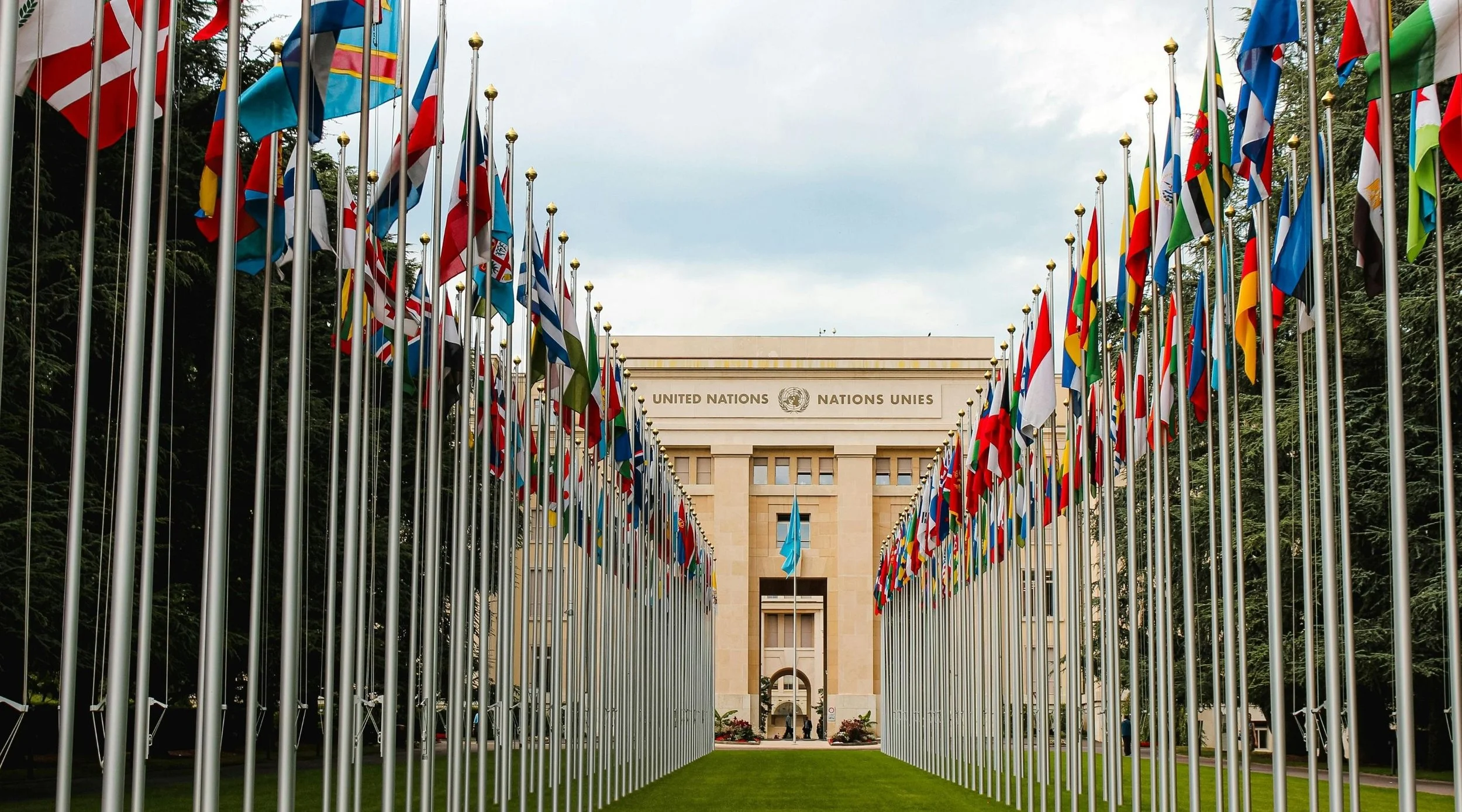
Peace Agreements
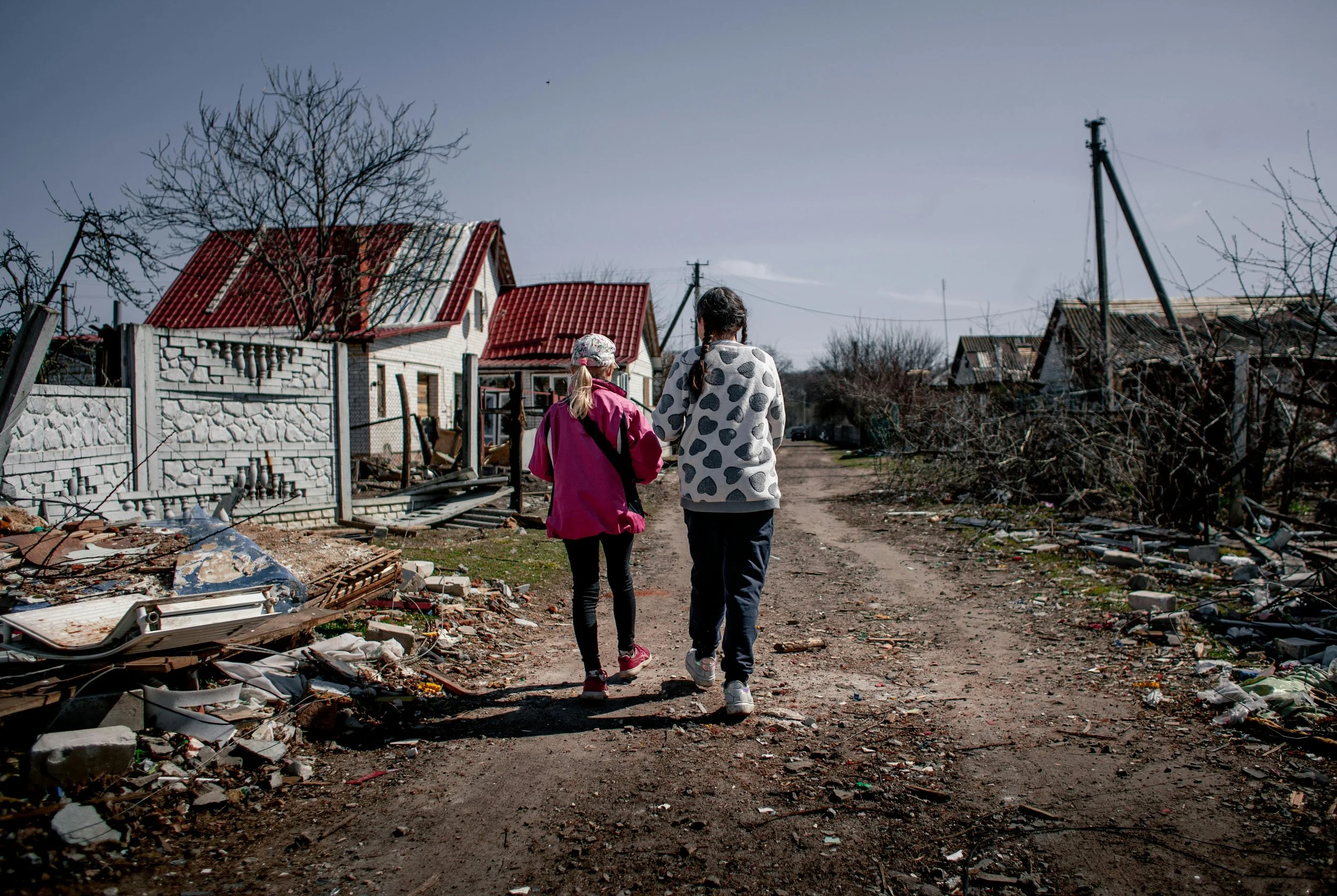
Global Trends
Conflicts today are increasingly shaped by dynamics that extend far beyond any single battlefield. From Russia’s war in Ukraine and the war in Gaza to the succession of coups across Africa and intensifying competition among global and regional powers, crises now unfold within a more contested and transactional international environment. Our analysis examines how these global trends filter into peace processes, reshaping local incentives, mediation dynamics, and the credibility of guarantees, resources, and pathways to implementation.
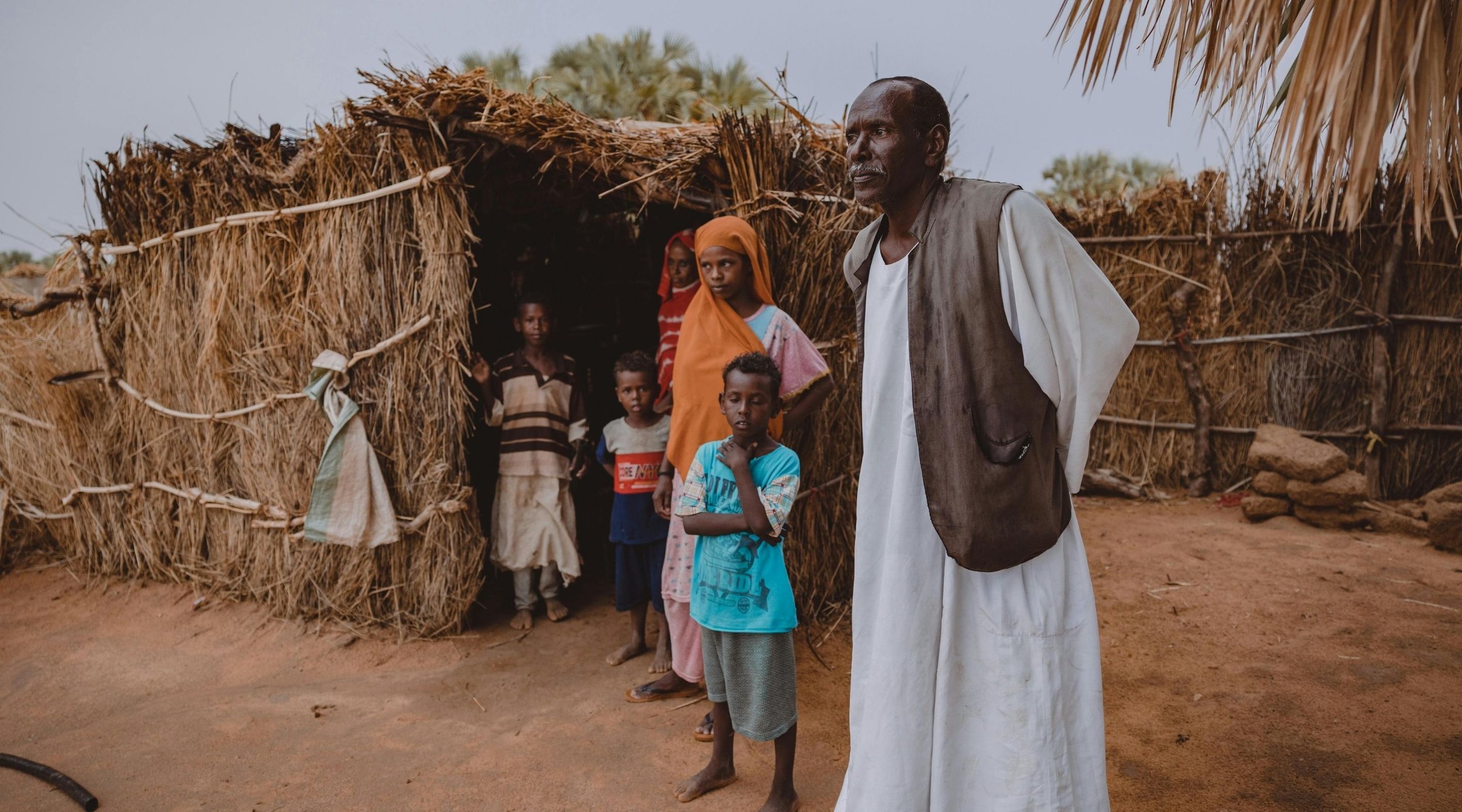
Since April 2023, Sudan has been engulfed in a devastating war that has fractured the country’s social fabric and destabilised the wider region. Our analysis revisits Sudan’s main peace agreements to assess what they delivered, where they fell short, and what lessons they offer for efforts to end the current conflict. With particular attention to the 2020 Juba Peace Agreement, we examine patterns of implementation and recurring gaps between negotiated commitments and realities on the ground.
Sudan
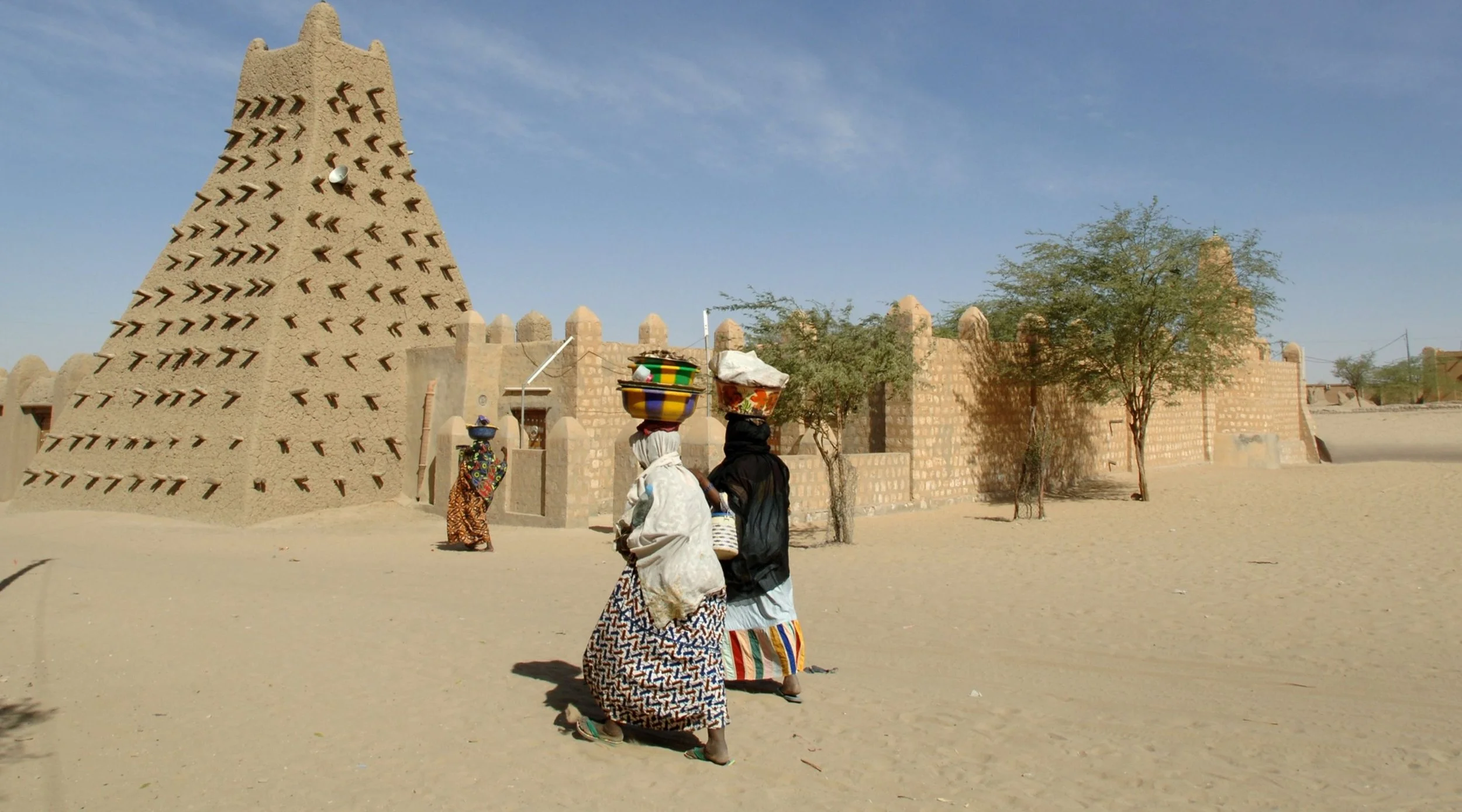
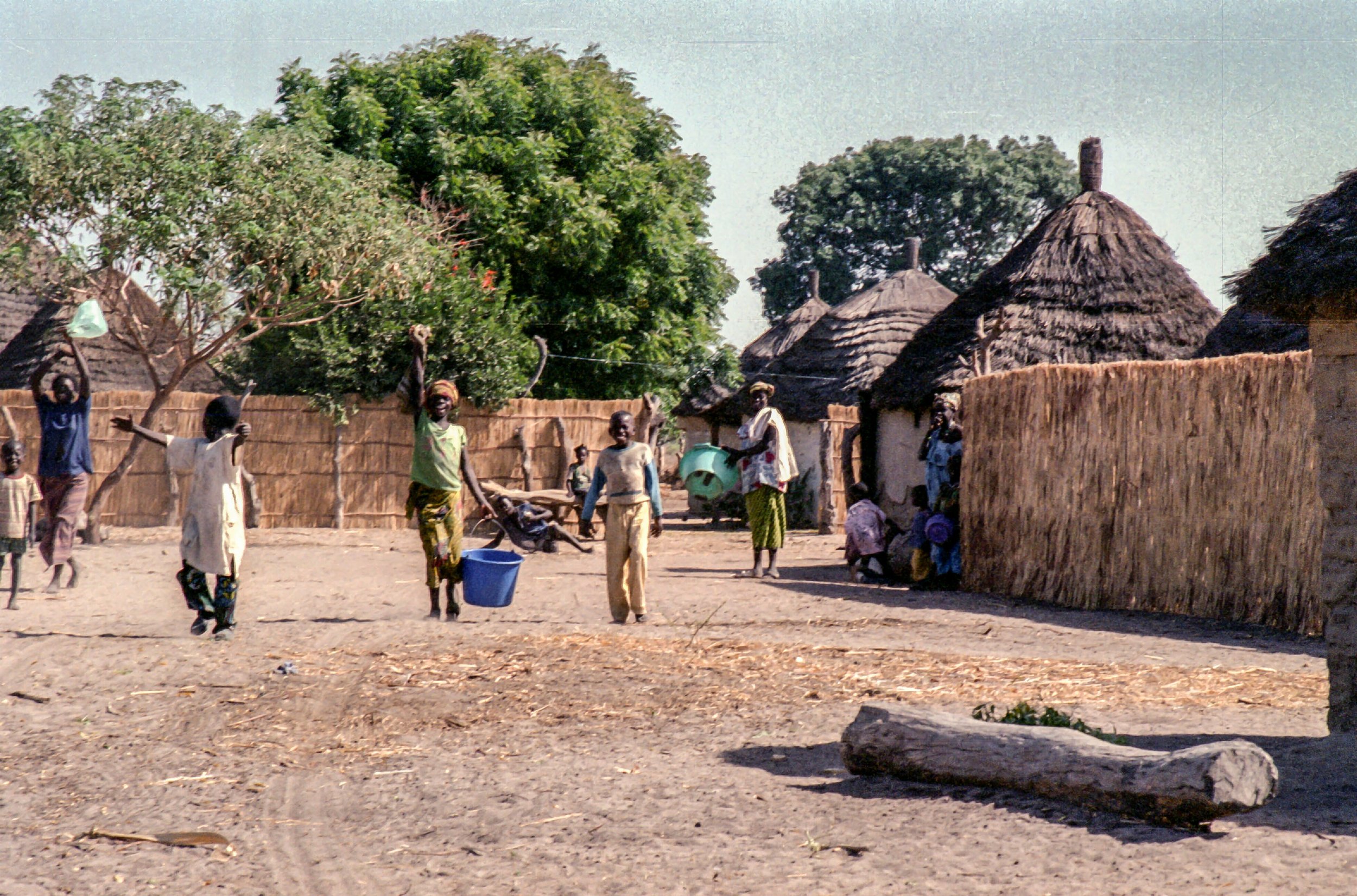
Since 2012, Mali has faced a prolonged political and security crisis shaped by repeated coups, expanding insurgent violence, and growing fragmentation between the centre and the periphery. As armed groups, community militias, and state forces compete for territory and legitimacy, the country has also become a site of shifting external involvement within an increasingly multipolar landscape. Our analysis revisits Mali’s principal peace framework, particularly the 2015 Algiers Agreement, to assess its outcomes, its limitations, and the lessons it offers for addressing the country’s continuing instability.
Mali
Latest Publications